Maintaining good dental hygiene has long been considered essential for oral health, but recent research and clinical experience have demonstrated that the benefits extend far beyond the mouth. Oral health directly influences overall wellness, affecting cardiovascular function, immune response, digestion, and even mental health. Poor dental hygiene can exacerbate systemic conditions such as diabetes, heart disease, and respiratory infections, while consistent preventive care and healthy habits can significantly improve quality of life.
Moreover, oral hygiene plays a crucial role in confidence, self-expression, and daily comfort. The health of your teeth and gums affects how you eat, speak, and engage socially. For many, establishing a robust dental care routine can be life-changing, not only for physical health but also for emotional and psychological well-being.
This article delves into the ways dental hygiene impacts overall health and wellness, offering actionable tips and strategies for integrating oral care into daily life. From establishing routines and understanding procedures to connecting dental care with lifestyle and holistic wellness, readers will gain a comprehensive guide to maximizing both oral and systemic health.
Establishing a Consistent Oral Care Routine
The foundation of lifelong wellness begins with regular, consistent oral care. While brushing and flossing are often emphasized, the significance of professional dental oversight cannot be overstated. Routine checkups allow for early detection of decay, gum disease, and other oral complications before they progress into more serious health concerns.
Why Regular Visits Matter
- Scheduling dentist appointments at recommended intervals ensures timely identification of potential issues.
- Professional cleanings remove plaque and tartar that cannot be fully managed through home care alone.
- Early intervention reduces the likelihood of extensive dental procedures in the future, protecting both teeth and overall health.
Building a Sustainable Home Routine
- Brush at least twice daily using fluoride toothpaste.
- Floss daily to remove food particles and prevent gum inflammation.
- Use an antiseptic mouthwash to reduce bacteria and freshen breath.
- Replace toothbrushes every three months or sooner if bristles are frayed.
Choosing the Right Professional Care
- Evaluate dental service options based on certifications, patient reviews, and the breadth of services offered.
- Establish a relationship with a primary dentist to ensure continuity of care.
- Consider additional services such as cleanings, sealants, and preventive screenings for gum disease and oral cancer.
Including Pets in Household Oral Care Habits
Oral care routines often extend beyond people, especially in pet-friendly households. Dogs also benefit from consistent dental attention to support overall health and comfort.
Many dog grooming services help support pet oral hygiene by offering basic care and early awareness of potential issues.
Ways to include pets in a household oral care routine include:
- Scheduling grooming and personal dental care within the same time period
- Using vet-approved dental chews or brushing tools at home
- Asking groomers to note signs of plaque, bad breath, or gum irritation
- Reinforcing preventive care habits for all household members
By including pets in oral care awareness, households create a more complete approach to long-term wellness.
Supporting Children’s Oral Health Early
Building healthy dental habits from a young age sets the stage for lifelong wellness. Early childhood care emphasizes the importance of dental hygiene education, routine checkups, and parental modeling to establish habits that endure into adulthood.
Teaching Healthy Habits
- Introduce brushing and flossing as a fun and consistent part of the day.
- Encourage balanced nutrition, emphasizing low-sugar snacks and calcium-rich foods.
- Use educational tools like songs or colorful toothbrushes to engage children in oral care.
Professional Oversight for Young Patients
- Pediatric dental service options often focus on preventative care, helping children develop positive experiences at the dentist.
- Early detection of cavities, misalignment, or oral development issues allows for minimally invasive interventions.
- Routine checkups provide opportunities for parents to learn about at-home strategies that reinforce good hygiene habits.
Creating a Positive Association
- Reinforce dental care as a positive, empowering experience rather than a chore.
- Offer rewards for consistent brushing and attending appointments.
- Encourage children to express questions or concerns to build comfort with professional care.
Investing in early childhood oral health ensures that children enter adolescence and adulthood with strong dental foundations. By combining education, preventive care, and positive reinforcement, parents and caregivers help protect overall wellness from the very beginning.
Understanding the Role of Dental Procedures
Even with excellent preventive habits, some individuals may require dental procedures such as dental implants or root canals. Understanding these interventions, their purposes, and their aftercare contributes to overall wellness and reduces anxiety surrounding treatments.
Dental Implants
- Used to replace missing teeth, dental implants restore both function and aesthetics.
- They prevent bone loss in the jaw and maintain facial structure.
- Proper care of implants mirrors that of natural teeth: daily cleaning and regular professional checkups.
Root Canals
- Address infection within the tooth pulp, preserving the tooth and preventing further complications.
- Post-procedure care includes gentle brushing, avoiding hard foods temporarily, and attending follow-up visits.
- Root canals reduce the risk of systemic infections that can arise from untreated oral disease.
Integrating Oral Health Into Daily Lifestyle Choices
Oral health should not exist in isolation—it is closely tied to everyday lifestyle choices. Integrating dental care into broader wellness routines can enhance results and make oral hygiene feel like a natural part of daily life.
Supporting Oral Hygiene Through Daily Routines
- In-home health care routines can incorporate brushing, flossing, and rinsing for individuals with mobility challenges.
- Caregivers can provide assistance, ensuring proper technique and consistency.
- For those experiencing sudden pain or swelling, seeking immediate medical care prevents complications from escalating.
Lifestyle Considerations
- Nutrition and hydration play crucial roles in dental health: sufficient water intake supports saliva production, while nutrient-rich foods strengthen enamel.
- Exercise and stress management indirectly support oral wellness by reducing inflammation and promoting immune function.
- Avoiding habits such as smoking and excessive sugar consumption enhances both dental and overall health.
Integrating dental hygiene into lifestyle choices makes it more sustainable and reinforces the connection between oral care and systemic well-being.
Collaboration Between Medical and Dental Professionals
Health outcomes improve when dental care intersects with broader medical oversight. Collaboration between dentists, ENT doctors, and other specialists ensures a comprehensive approach to wellness.
Coordinated Care
- ENT doctors often identify conditions such as sinus infections or sleep apnea that influence oral health.
- Regular communication between medical and dental professionals can prevent misdiagnoses and support treatment planning.
- When errors occur, consulting a medical malpractice attorney may be necessary to safeguard patient rights.
Holistic Health Monitoring
- Oral health is a reflection of broader conditions such as diabetes, cardiovascular issues, or autoimmune disorders.
- Periodic assessments by multiple specialists create a safety net for early detection.
- Patients benefit from an integrated approach that considers both oral and systemic factors.
By working collaboratively, healthcare providers can detect issues early, prevent complications, and offer guidance that supports overall wellness.
Lifestyle and Personal Habits That Affect Oral Health
Daily habits—both intentional and inadvertent—significantly impact dental hygiene. Household routines, personal care practices, and even pet-related habits influence oral health.
Practical Habit Adjustments
- Regularly clean teeth, tongue, and gums with appropriate tools.
- Limit sugary snacks and acidic beverages to prevent enamel erosion.
- Avoid smoking and excessive alcohol consumption.
Surprising Connections
- Dog grooming service hygiene routines can indirectly influence household bacterial exposure, emphasizing the importance of cleanliness.
- Teaching children consistent habits in early childhood care promotes healthy lifestyles from a young age.
- Consistent handwashing and maintaining clean environments contribute to oral and overall health.
Attention to personal and household habits reduces the risk of dental complications and supports long-term wellness. This approach is especially effective when combined with in home health care support, which helps individuals maintain consistent oral hygiene routines in comfortable, familiar environments.
Nutrition and Hydration for Optimal Dental Wellness
The foods and liquids we consume directly affect teeth and gums. A nutrient-rich diet and adequate hydration provide the building blocks for strong enamel, healthy gums, and saliva production.
Dietary Recommendations
- Consume calcium-rich foods like dairy, leafy greens, and fortified alternatives.
- Incorporate vitamin D through sunlight exposure or supplementation to support calcium absorption.
- Eat crunchy vegetables and fruits to naturally clean teeth and stimulate saliva flow.
Hydration and Oral Health
- Drink plenty of water to maintain saliva production, which protects against cavities and gum disease.
- Limit sugary or acidic drinks that erode enamel.
- Consider rinsing with water after meals to reduce bacterial buildup.
Optimizing nutrition and hydration enhances oral resilience, supports immunity, and contributes to overall energy and wellness.
Oral health is closely connected to the ears, nasal passages, and throat. Conditions such as sinus congestion, dry mouth, or mouth breathing can affect gum health and saliva production. In these cases, ear nose throat doctors help identify airway or sinus issues that may interfere with dental wellness.
By addressing breathing and moisture balance, ear nose throat doctors support nutrition and hydration efforts, reducing dryness that can increase cavity and gum disease risk. This coordinated care approach strengthens overall oral health outcomes.
Recognizing Early Warning Signs and Prevention Strategies
Timely recognition of symptoms is essential for maintaining dental and systemic health. Early intervention prevents minor issues from escalating into serious complications.
Warning Signs
- Persistent bleeding gums, tooth pain, or swelling should prompt immediate medical care.
- Changes in bite, loose teeth, or discoloration can indicate underlying conditions.
Preventive Measures
- Schedule dentist appointments regularly to catch early signs of decay or infection.
- Perform self-assessments at home to monitor for unusual changes.
- Seek professional advice promptly when abnormalities arise.
Proactive awareness and timely action protect not only dental health but also overall systemic wellness.
Cosmetic and Confidence Impacts of Oral Health
A healthy smile influences social interactions, self-esteem, and overall confidence. Dental procedures such as implants or root canals often have aesthetic and functional benefits that improve quality of life.
Boosting Confidence Through Oral Health
- Dental implants restore the appearance and function of natural teeth, enhancing both speech and eating habits.
- Root canals preserve teeth, preventing gaps that may affect self-image.
Practical Tips for Maintaining Appearance
- Maintain consistent oral hygiene routines to protect aesthetic results.
- Use whitening or protective treatments as recommended by a dental professional.
- Pair cosmetic outcomes with functional care to maximize benefits.
A confident smile fosters emotional well-being, encouraging bolder fashion and lifestyle choices that align with personal values.
Incorporating Holistic Wellness Approaches
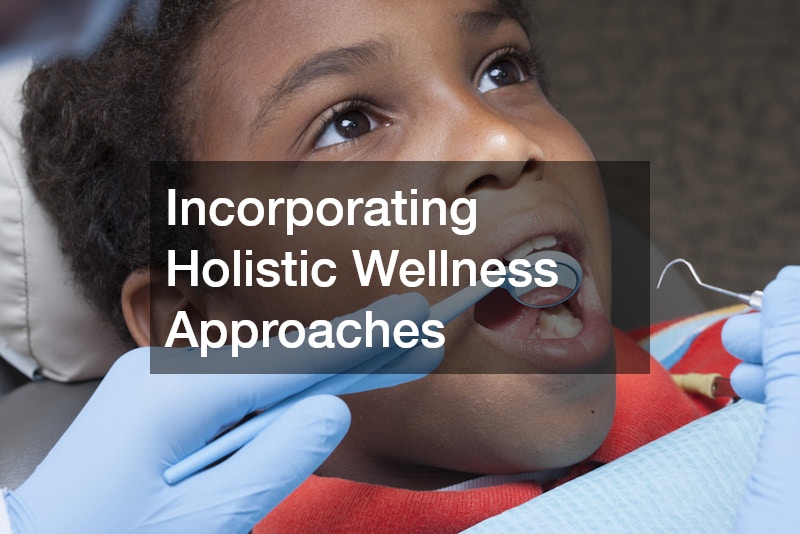
Oral health should be viewed as part of a holistic wellness strategy, integrating physical, mental, and emotional care.
Holistic Integration
- Include oral hygiene in daily in-home health care routines for individuals with special needs.
- Teach children in early childhood care to connect oral hygiene with overall wellness.
- Practice mindfulness and stress-reducing activities to support immune function and reduce inflammation affecting oral health.
Lifestyle Enhancements
- Combine regular dental care with balanced nutrition, exercise, and adequate sleep.
- Encourage preventative care and checkups as part of holistic living.
- Reinforce healthy habits through family routines and personal accountability.
Holistic integration ensures that oral hygiene is not an isolated practice but a core component of total wellness. By viewing dental care as interconnected with overall health, individuals can better understand how oral habits impact nutrition, immune function, and chronic disease prevention. For instance, gum inflammation or untreated infections can influence cardiovascular health, metabolic balance, and even respiratory function, highlighting the importance of consistent, thoughtful oral care within a broader wellness framework.
Incorporating holistic practices means considering lifestyle factors such as stress management, diet, sleep, and regular exercise alongside daily brushing and flossing routines. It also involves communication between dental professionals and other healthcare providers, ensuring that treatments and preventive strategies support comprehensive health goals. Mindful awareness of oral hygiene as part of a holistic approach reinforces its value, encouraging consistent habits and proactive engagement. Ultimately, this perspective transforms dental care from a reactive task into an essential, integrated practice that supports long-term physical, emotional, and social well-being.
Dental hygiene is far more than a cosmetic concern—it is a cornerstone of overall health and wellness. From early childhood care and lifestyle habits to professional dental procedures and holistic integration, maintaining strong oral health supports physical, emotional, and social well-being. Proper oral care reduces the risk of infections, inflammation, and chronic conditions that may arise when bacteria from the mouth enter the bloodstream, potentially affecting the heart, lungs, and other organs. It also plays a crucial role in digestion and nutrition, as healthy teeth and gums allow for proper chewing and nutrient absorption.
By establishing consistent routines, collaborating with healthcare providers, and recognizing the interplay between lifestyle, nutrition, and dental care, individuals can prevent complications, enhance confidence, and enjoy long-term wellness. Engaging with dental services regularly ensures early detection of issues like cavities, gum disease, or structural concerns, while timely procedures such as root canals or dental implants can restore functionality and comfort. Beyond clinical care, integrating dental hygiene into daily habits—brushing, flossing, and mindful dietary choices—reinforces the protective benefits of professional care.
Oral hygiene is a reflection of intentional living, connecting everyday habits with broader health outcomes. Prioritizing dental health is, ultimately, an investment in total life quality, proving that a healthy mouth truly supports a healthier body and mind. Moreover, maintaining strong oral health cultivates self-esteem and social confidence, influencing personal interactions, professional presence, and overall emotional resilience. It demonstrates a commitment to preventive care, empowering individuals to take proactive steps toward lasting wellness in all aspects of life.