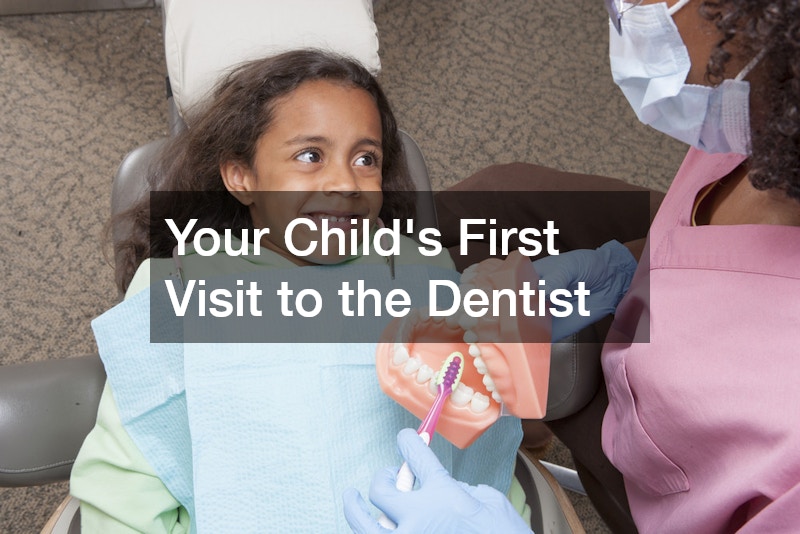
A child’s first dental visit is an important step in building lifelong oral health habits. For many parents, it can also feel a little intimidating. You may wonder when to schedule the appointment, how your child will react, and what the dentist will actually do during the visit. The good news is that a first dental appointment is usually simple, gentle, and focused on helping your child feel comfortable.
Early dental care is not only about checking for cavities. It is about prevention, education, and creating a positive relationship with dental visits from the start.
When children become familiar with the dental office early, they are often less anxious about future appointments.
When Should a Child First Visit the Dentist?
Most dental professionals recommend scheduling a child’s first dental visit by their first birthday or within six months of the first tooth appearing. This may seem early, but baby teeth play an important role in speech, chewing, jaw development, and holding space for adult teeth. An early visit gives the dentist a chance to check how the teeth and gums are developing, look for early signs of decay, discuss teething concerns, review brushing habits, talk about pacifiers, thumb-sucking, and bottle use, and answer questions about diet and oral care. This first visit also helps establish a “dental home,” meaning your child has a trusted place for regular care, advice, and support as they grow.
How to Prepare Your Child
Preparation can make a big difference. Try to talk about the dentist in a calm, positive way. Use simple words your child can understand, such as “The dentist will count your teeth” or “They help keep your smile healthy.” Avoid words that may create fear, like “pain,” “shot,” or “drill.”
You can also prepare at home by reading books or watching a short video about going to the dentist for the first time. A video can be especially helpful because it lets children see what the office, chair, mirror, and tools may look like before they arrive.
Role-playing can also help. Take turns pretending to be the dentist and patient. Use a toothbrush to “count” teeth and practice opening wide. Keep it light and playful so the visit feels familiar instead of scary. Children often respond to a parent’s energy, so a relaxed tone can help them feel more secure.
What Happens During the First Visit?
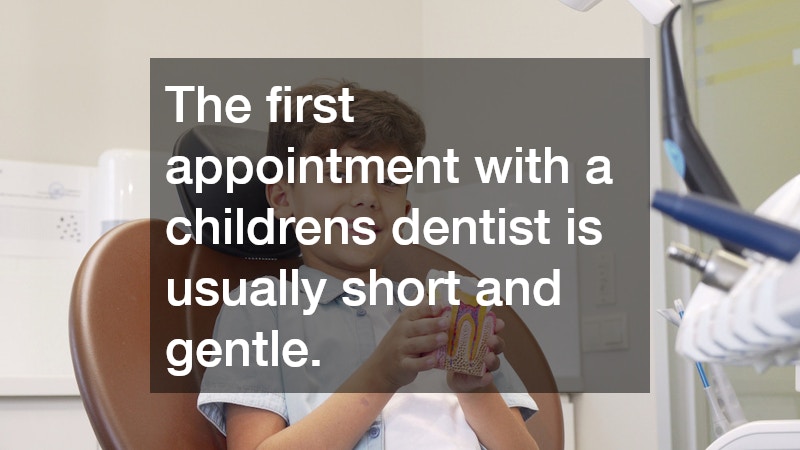
The first appointment with a childrens dentist is usually short and gentle. The dentist may examine your child’s teeth, gums, bite, and jaw development. They may count the teeth, look for signs of decay, and check that everything is developing as expected.
Depending on your child’s age and comfort level, the visit may include a gentle exam, a light cleaning, fluoride treatment if recommended, guidance on brushing and flossing, tips for healthy snacks and drinks, and a discussion about teething or oral habits. X-rays are not always needed during a first visit. They may only be recommended if the dentist has a specific concern about tooth development, spacing, injury, or decay. The dentist will also talk with you about what they see and what to watch for at home. This is a good time to ask questions about brushing, toothpaste, thumb-sucking, pacifier use, snacks, or how often your child should come in.
Helping With Dental Anxiety
Some children feel nervous before a dental visit, and that is completely normal. Anxiety may show up as crying, clinginess, refusal to sit in the chair, or irritability. The goal is not to force a perfect visit. The goal is to build trust over time.
Even if your child only sits in the chair or lets the dentist count a few teeth, that can still be progress. A patient, child-friendly approach helps make future visits easier.
Building Healthy Habits at Home
Dental health does not end after the appointment. Parents play the biggest role in helping children build daily habits. Brush your child’s teeth twice a day with an age-appropriate toothbrush and toothpaste. As teeth begin to touch, ask the dentist when to start flossing.
Healthy eating also matters. Limiting sugary snacks, sticky candies, and frequent juice can reduce the risk of cavities. Offer water often and encourage balanced meals with tooth-friendly foods.
A child’s first dental visit sets the tone for future oral health. With early care, simple preparation, and a positive approach, parents can help children feel more comfortable and confident at the dentist. Regular checkups, good brushing habits, and healthy routines at home all work together to protect your child’s smile as they grow.